The automotive sector is experiencing a rapid transformation driven by electrification, digitalization, automation, and sustainability. From EV technology advancements to smarter manufacturing strategies, every part of the auto ecosystem is evolving to meet modern demands.
Key Drivers Shaping Today’s Auto Industry
Electrification Takes Center Stage
Electric vehicles (EVs) are no longer a niche option; they’re becoming a mainstream choice for consumers. Automakers are accelerating EV development with improvements in:
- Battery range and efficiency
- Fast-charging technologies
- Lightweight materials
- Eco-friendly production
Governments worldwide are incentivizing EV adoption, leading to a surge in infrastructure like public fast chargers and home charging solutions.
Autonomous Technology Continues to Advance
Self-driving systems are progressing from assisted driving to more autonomous capabilities. This shift is propelled by:
- Advanced sensor fusion technologies
- Improved AI-based decision-making
- Robust vehicle-to-everything (V2X) communication
The vision is safer roads, reduced traffic, and greater convenience for drivers and passengers.
Digitalization and Smart Connectivity
Modern vehicles are now digital hubs equipped with:
- Real-time navigation and telematics
- Over-the-air software updates
- Integrated infotainment ecosystems
- Predictive maintenance alerts
This level of connectivity enhances the driving experience and improves overall vehicle longevity.
Sustainability Redefines Auto Manufacturing
Eco-Friendly Production Processes
Automakers are adopting greener approaches to reduce carbon footprints by:
- Switching to renewable energy for factories
- Utilizing recyclable components
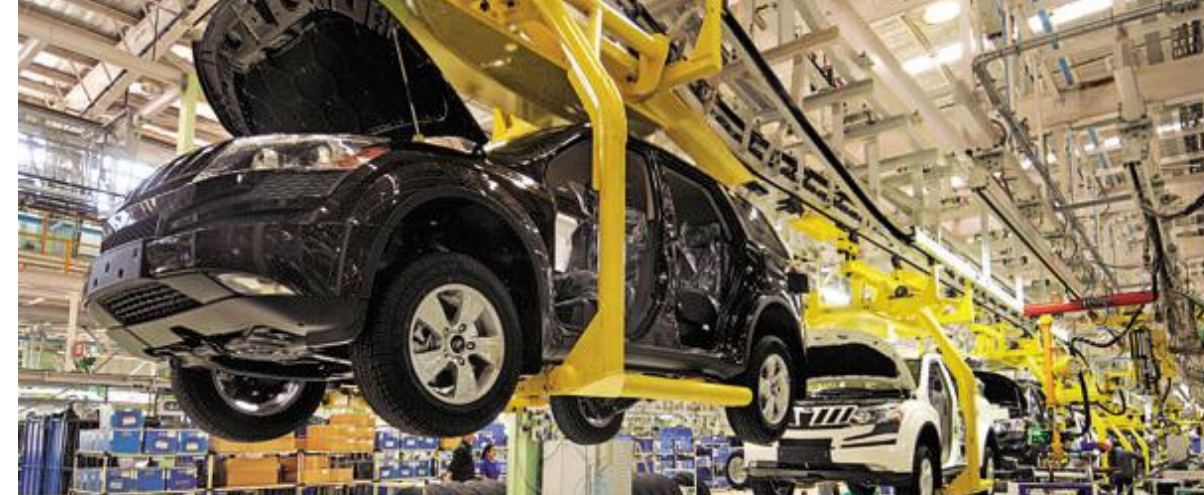
- Optimizing supply chains to minimize waste
Sustainable manufacturing is becoming a core competitive advantage.
The Rise of Circular Economy Principles
The circular economy model promotes:
- Reusing parts
- Recycling batteries
- Designing vehicles for dismantling
This shift ensures lower environmental impact across a vehicle’s entire lifecycle.
Changing Consumer Preferences
Demand for Smart, Efficient, and Safe Vehicles
Consumers are increasingly prioritizing:
- Fuel efficiency (or energy efficiency for EVs)
- Low maintenance cost
- High-tech safety features
- Digital convenience
Automakers are adapting their lineups to match these evolving expectations.
Growth of Mobility Services
Car ownership is no longer the only way to access transportation. Mobility services like car-sharing, ride-hailing, and subscription-based models are transforming how people commute in urban environments.
The Road Ahead: What to Expect
Greater EV Affordability
As battery prices continue to drop and production scales up, EVs will become more accessible to the mass market.
Expansion of Autonomous Capabilities
The next decade will likely see expanded deployment of autonomous fleets, especially for delivery and transportation services.
Smarter, Safer Cars
Future vehicles will integrate even more intelligent features such as predictive AI, advanced driver monitoring, and seamless cloud connectivity.
Enhanced Charging Infrastructure
Rapid expansion of ultra-fast charging stations will make long-distance EV travel more convenient than ever before.
Frequently Asked Questions (FAQ)
1. What is driving the global shift toward electric vehicles?
Consumer demand, government regulations, and advancements in battery technology are the primary contributors to the EV transition.
2. How long do EV batteries typically last?
Most modern EV batteries last between 10–15 years depending on usage, climate, and charging habits.
3. Are autonomous cars completely driverless today?
Most consumer vehicles still require driver supervision, while fully driverless technology is being tested in controlled environments.
4. What are over-the-air updates in cars?
They are software updates delivered remotely, allowing manufacturers to install improvements or fix issues without a service visit.
5. Why is sustainability important in auto manufacturing?
It reduces environmental impact, conserves resources, and aligns with global climate goals.
6. How safe are electric vehicles in comparison to traditional cars?
EVs meet the same safety standards as traditional vehicles and often exceed them due to advanced design and technology.
7. What are the benefits of connected-car features?
They enhance safety, improve navigation, streamline maintenance, and enrich infotainment experiences.