Injury is one of the most common barriers to fitness consistency. A minor knee strain, lower back tightness, or shoulder impingement can derail training if not managed correctly. Yet with the right approach, setbacks do not have to mean long layoffs. Collaboration between physiotherapists and a qualified fitness trainer singapore provides a safe pathway from treatment to full performance.
Why collaboration matters
Trainers and physiotherapists bring complementary expertise. Physios specialise in diagnosing, treating, and rehabilitating injuries, while trainers excel in building long-term strength and conditioning. When they work together, clients benefit from a seamless continuum of care.
-
Early recovery: Physios address pain, inflammation, and movement restrictions.
-
Mid-stage transition: Trainers reintroduce functional movements under guidance.
-
Performance phase: Structured strength and conditioning prevent re-injury.
This partnership prevents gaps where clients are cleared of pain but not yet strong enough for full training.
When to see a physio before resuming training
Some issues require medical clearance before re-entry into training. Common red flags include:
-
Sharp, localised pain that worsens with movement.
-
Joint swelling or instability.
-
Numbness, tingling, or radiating pain.
-
Pain persisting beyond two weeks despite rest.
A good trainer will pause programming and encourage physiotherapy assessment in these cases.
Exercise progressions for common injury sites
Knee rehabilitation
-
Early stage: Mini-squats, quad sets, and gentle step-ups.
-
Mid stage: Split squats, glute bridges, resistance band walks.
-
Advanced: Lunges, single-leg squats, controlled plyometrics.
Shoulder rehabilitation
-
Early stage: Scapular retractions, wall slides, isometric holds.
-
Mid stage: Band external rotations, incline push-ups, light dumbbell presses.
-
Advanced: Overhead presses, pull-ups, dynamic push-ups.
Lower back rehabilitation
-
Early stage: Bird dogs, pelvic tilts, gentle cat-cow mobility.
-
Mid stage: Glute bridges, planks, anti-rotation holds.
-
Advanced: Deadlifts, carries, controlled rotational drills.
Trainers adjust sets, reps, and rest while physios oversee quality of movement.
Communication and shared programming
Collaboration succeeds when both professionals communicate openly.
-
Initial consultation: Physio shares assessment notes with trainer.
-
Progress reports: Trainer updates physio on exercise tolerance and adaptations.
-
Joint reviews: Periodic check-ins ensure client remains pain-free while progressing.
This loop allows safe load increases without risking re-injury.
Benefits of injury-smart training for clients
-
Faster return to favourite activities and sports.
-
Confidence in movement, knowing exercises are safe.
-
Reduced fear of re-injury through education and gradual exposure.
-
Long-term resilience from strength and mobility improvements.
Instead of stopping training completely, clients remain active and engaged while healing.
Role of structured facilities
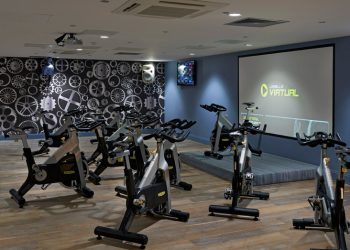
Injury management often requires access to a range of equipment and professional supervision. Training at providers like True Fitness ensures clients can use safe, modern machines alongside targeted coaching. Trainers here are familiar with injury-smart modifications and can integrate physiotherapist recommendations into personalised programmes.
Common mistakes to avoid during return-to-train
-
Jumping back into heavy lifts without a gradual build-up.
-
Ignoring pain signals or masking them with painkillers.
-
Focusing only on the injured area instead of the full kinetic chain.
-
Skipping warm-ups and mobility work.
-
Comparing progress to pre-injury benchmarks too soon.
Avoiding these mistakes ensures recovery translates into sustainable results.
Frequently Asked Questions
How soon can I train after seeing a physio
It depends on the injury. Many clients start modified training immediately, focusing on unaffected areas. Return to full intensity usually occurs after progressive strengthening and clearance from the physio.
Can I still build muscle while injured
Yes. Trainers can programme around limitations, emphasising unaffected muscle groups. For example, a client with a shoulder issue can still perform lower-body and core exercises.
What if my physio and trainer give different advice
Open communication is key. Share both recommendations and request alignment. A collaborative team will adapt programmes to meet both safety and performance needs.
Are online rehab programmes effective
They can be, but in-person guidance often ensures better form and accountability. Hybrid models—where physio sessions are complemented by trainer-led workouts—combine convenience with precision.
Should I wear supports or braces during training
Supports may be used temporarily, but trainers and physios generally aim to build natural strength and stability. Long-term reliance on braces is avoided unless medically required.
How do I know if pain is “good” or “bad” during recovery
Mild muscle soreness or stiffness is normal. Sharp, stabbing, or worsening pain is not. A trainer can help you differentiate between expected training fatigue and warning signs.