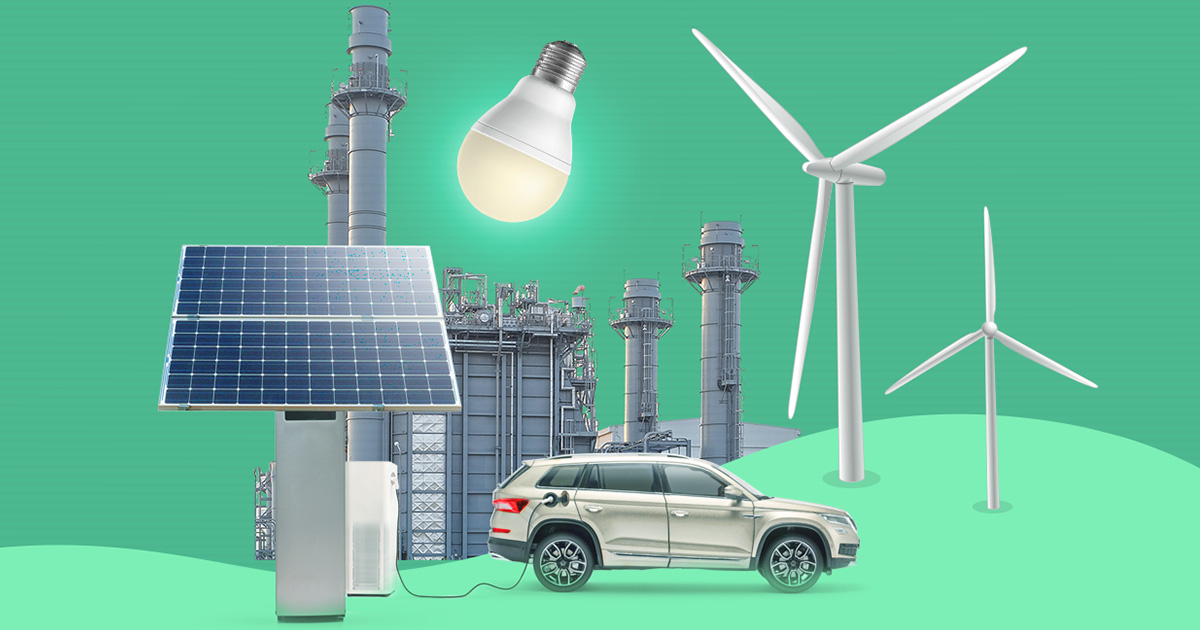
Climate readiness has become an important consideration in residential energy planning as homes adapt to changing environmental conditions. Seasonal extremes, shifting weather patterns, and developing infrastructure demands have encouraged homeowners to think more intentionally about how energy systems support everyday stability. Freedom Forever Reviews reflect a market where solar systems are often paired with monitoring tools and digital dashboards that provide greater visibility into production and usage.
This development reflects a broader understanding that climate readiness extends beyond temperature alone. Energy availability, system responsiveness, and household continuity now shape how preparedness is defined. Smart energy systems support readiness by enabling homes to anticipate changing conditions, manage resources efficiently, and maintain consistent operation through a wide range of scenarios.
Climate Variability Highlights the Need for Preparation
Traditional residential energy models were built around the expectation of steady grid availability. As weather patterns and demand cycles become more variable, this assumption has given way to a greater emphasis on preparation and adaptability.
Homes designed around static energy use benefit from systems that can adjust dynamically. Climate readiness relies on flexibility rather than dependence, allowing households to respond to conditions as they develop. Smart energy systems support this approach by shifting from fixed behavior to responsive operation.
Smart Systems Anticipate Environmental Conditions
Smart energy systems incorporate environmental awareness into daily operation. Weather forecasts, seasonal trends, and temperature patterns inform how systems prepare in advance. This awareness allows homes to adjust gradually rather than reacting abruptly.
Anticipation supports smoother transitions. Systems can adjust energy use, storage behavior, and system priorities ahead of expected changes. By planning before conditions intensify, homes maintain stability and continuity with less disruption to daily routines.
Solar and Storage Strengthen Readiness
Solar generation and battery storage play central roles in climate-ready homes. On-site production supports energy availability, while storage extends flexibility by allowing energy to be used when needed.
Together, these systems provide a reliable foundation. Homes can draw on internal resources as conditions fluctuate, supporting consistency without relying solely on external supply. Climate readiness emerges through preparation that is built into system design rather than activated only when conditions change.
Load Management Preserves Essential Operation
Smart energy systems manage resources strategically during periods of higher demand. Load management allows systems to direct energy where it is most useful while adjusting nonessential usage as appropriate.
This approach helps preserve essential functions. Refrigeration, communication, and climate control continue operating smoothly while systems balance overall demand. Load management transforms limited capacity into an organized strategy that supports continuity and comfort.
Automation Enables Timely Adjustments
Automation plays a key role in climate readiness by enabling systems to respond quickly to changing conditions. When environments shift, smart energy systems adjust automatically based on predefined logic.
This immediacy supports smooth operation. Adjustments occur as conditions develop rather than after impacts are felt. Automation allows systems to manage transitions quietly, reinforcing readiness without requiring homeowner intervention.
Visibility Supports Confident Preparedness
Visibility is an important component of readiness. Dashboards and monitoring tools provide insight into system status, storage levels, and energy flow. Homeowners can see how systems prepare and respond over time.
This transparency reinforces confidence. Understanding system behavior helps households feel informed and supported. Visibility connects preparation with observable outcomes, making readiness feel intentional and reliable rather than abstract. Clear information allows homeowners to trust system decisions while remaining engaged at a comfortable level.
Customer Feedback Reflects the Value of Preparation
Homeowner feedback often reflects appreciation for systems that support preparedness. As smart energy systems manage resources proactively, households experience consistent performance across changing conditions. In online discussions, including Freedom Forever reviews, a sense of preparedness during variable weather is often highlighted, emphasizing the value of systems designed to support readiness through coordination.
These insights suggest that climate readiness influences satisfaction. Homes that manage environmental variability quietly reinforce confidence. Preparedness becomes part of perceived reliability, shaping how homeowners evaluate system performance over time.
Smart Systems Adapt to Extended Conditions
Environmental conditions increasingly persist beyond short intervals. Extended warm periods or prolonged weather events require energy systems that manage resources thoughtfully over time.
Smart energy systems evaluate trends rather than isolated moments. Storage strategies, usage adjustments, and prioritization develop as conditions continue. This adaptability supports sustained operation while preserving comfort where possible. Over time, systems refine responses based on accumulated data, supporting long-term stability.
Readiness Extends Beyond Weather Events
Climate readiness also encompasses broader infrastructure variability. Regional demand cycles and developing grid conditions influence energy availability. Smart energy systems help homes navigate these factors through proactive coordination.
By adjusting usage during high-demand periods, homes maintain balance and consistency. Readiness applies to a wide range of conditions, supporting resilience without relying on constant external stability. Smart systems align household behavior with broader system conditions in a measured way.
Planning for Variability Shapes Home Design
Climate readiness increasingly influences how homes are designed and equipped. Builders and homeowners prioritize systems that support flexibility, visibility, and coordination. Planning accounts for variability rather than averages.
Energy systems are selected for their ability to adapt dynamically. Integration across technologies supports coordinated performance. Homes are designed to manage changing conditions confidently, with energy infrastructure that supports stability across scenarios.
Smart Energy Systems Support Modern Living
Modern living patterns place new demands on residential energy systems. Flexible schedules, home-based activities, and developing usage profiles require systems that respond seamlessly. Adaptive energy management allows homes to adjust in real time as routines shift throughout the day. Systems that recognize changing patterns can balance performance without sacrificing comfort. This responsiveness supports lifestyles that are increasingly dynamic and less predictable.
Smart energy systems support these patterns by maintaining consistent operation across fluctuating demand. Readiness aligns energy performance with daily life, allowing households to rely on systems that adapt quietly in the background.
Broader Implications for Climate-Ready Housing
As climate considerations shape residential design, smart energy systems play an increasingly central role. Homes equipped with integrated clean tech manage variability effectively, embedding readiness into everyday operation.
For providers, this shift underscores the importance of coordination, forecasting, and long-term support. Climate readiness depends on systems designed to anticipate and adapt. As environmental conditions continue to develop, smart energy systems help maintain stability, confidence, and continuity in modern housing.