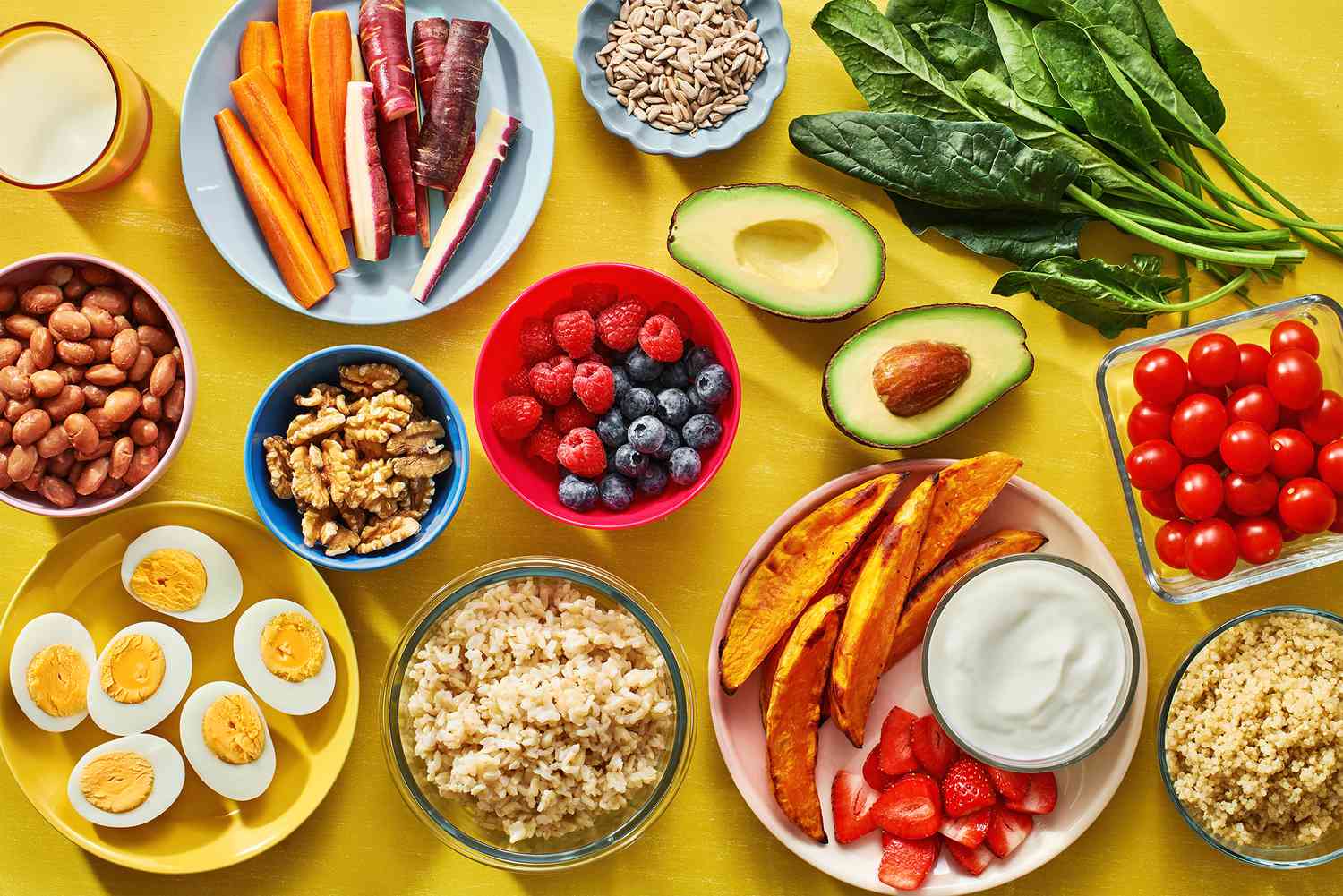
Food is more than a basic necessity; it is a reflection of culture, identity, and evolving lifestyle choices. As global tastes expand and nutritional awareness grows, people are increasingly exploring new cuisines, sustainable ingredients, and healthier eating habits. Understanding food trends and their impact can help individuals make informed dietary choices while enjoying diverse flavors.
The Rising Importance of Nutrition
Nutrition plays a crucial role in maintaining overall health and wellness. A balanced diet supports immunity, energy, and long-term well-being.
Key Components of a Nutritious Diet
- Fruits and vegetables rich in vitamins and antioxidants
- Whole grains that provide fiber and sustained energy
- Lean proteins such as fish, poultry, beans, and tofu
- Healthy fats from nuts, seeds, and olive oil
- Hydration through adequate water intake
Focusing on nutrient-dense foods helps maintain a healthy body weight and reduces the risk of chronic diseases.
Globalization and Culinary Diversity
The modern food landscape has been transformed by cultural exchange. People now enjoy an expanded variety of flavors brought by global cuisines.
Popular Global Food Trends
- Asian fusion dishes
- Mediterranean-style meals
- Street food-inspired snacks
- Plant-forward cuisine
- Latin American flavors and spices
These influences enrich everyday meals and encourage experimentation in home kitchens.
The Shift Toward Plant-Based Eating
Plant-based diets have gained popularity due to their health benefits and reduced environmental impact. Many individuals embrace this approach without fully giving up meat, opting instead for flexible eating habits.
Benefits of Plant-Based Choices
- Lower cholesterol and improved heart health
- Reduced carbon footprint
- Increased intake of vitamins and minerals
- Support for sustainable agriculture
Plant-based alternatives such as legumes, quinoa, and plant-protein products provide nutritious options for varied meals.
Food Sustainability and Ethical Eating
As environmental concerns grow, sustainable eating has become a priority for many consumers. Choosing eco-friendly foods helps preserve natural resources and supports responsible farming practices.
Ways to Eat More Sustainably
- Buying locally sourced ingredients
- Reducing food waste
- Choosing seasonal produce
- Supporting ethical farming and fair-trade products
These habits not only benefit the planet but also ensure fresher, higher-quality meals.
Evolving Culinary Trends
Innovation continues to shape the food industry, influencing how people cook, eat, and enjoy meals.
Current Culinary Innovations
- Smart kitchen appliances
- Meal kits and ready-to-cook options
- Food delivery and cloud kitchens
- Fermented foods for gut health
- Gourmet twists on traditional dishes
These trends accommodate busy lifestyles while keeping culinary creativity alive.
Frequently Asked Questions (FAQ)
1. What is the healthiest way to plan daily meals?
Focus on balanced portions of whole grains, fruits, vegetables, lean proteins, and healthy fats while limiting processed foods.
2. Are plant-based diets suitable for everyone?
Most people can benefit from plant-based eating, but nutritional needs may vary, so individual preferences and health conditions matter.
3. How can I reduce food waste at home?
Plan meals ahead, store leftovers properly, and buy only what you need to avoid spoiling ingredients.
4. What foods help boost immunity naturally?
Citrus fruits, leafy greens, nuts, yogurt, and lean proteins support a stronger immune system.
5. Is it healthier to cook at home than to eat out?
Cooking at home allows control over ingredients, portion sizes, and cooking methods, often leading to healthier meals.
6. What are some easy ways to eat sustainably?
Choose seasonal foods, reduce waste, support local farmers, and prioritize minimally processed ingredients.
7. Which cuisines are considered healthiest?
Mediterranean, Japanese, and Indian cuisines often emphasize fresh ingredients, balanced nutrients, and natural spices.